

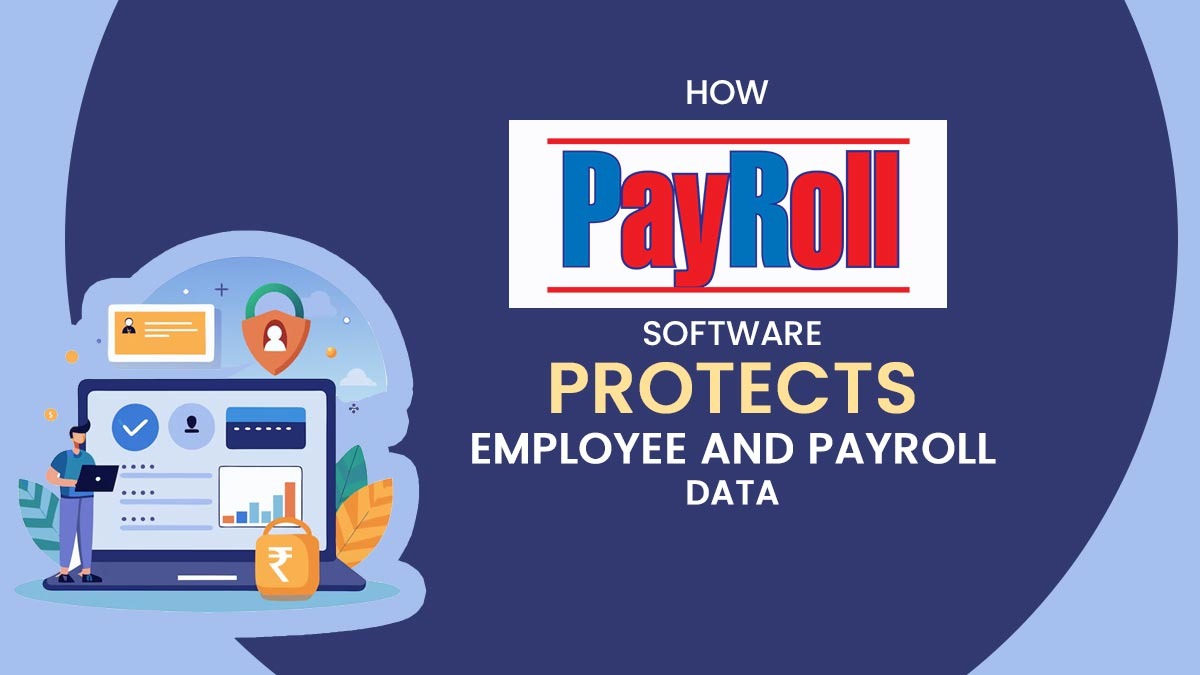
Managing payroll is a critical task for any business. It involves dealing with sensitive information about employees, such as their salaries, addresses, and tax details. With the rise of cyber threats, basic security measures are no longer enough. Choosing payroll software with robust security features is crucial to safeguard employee information and avoid potential financial issues.
Why Payroll Security is Important
Payroll systems hold highly confidential data, including:
- Employee names and addresses
- Bank account information
- Tax details
- Salary and bonus structures
- Attendance records
If this information is accessed illegally, businesses risk facing financial fraud, legal trouble, identity theft, and harm to their reputation. For example, if someone unauthorised accesses your payroll system and changes an employee’s bank account details before salaries are processed, the money could be mistakenly sent to a fraudulent account.
Key Security Features to Look For
Here are some important security features to consider when choosing payroll software:
Role-Based Access Control (RBAC)
Not everyone needs access to all payroll information. Role-based access allows administrators to limit permissions based on a person’s job responsibilities. For example:
- HR Executive can update employee records
- Payroll Manager can handle salary processing
- Accountants can generate reports
- Employees can only view their own salary slips
- This reduces unauthorised access
Multi-Factor Authentication (MFA)
Simply using a password isn’t enough anymore. Multi-factor authentication requires an additional step for verification, like receiving a one-time code on your phone or using a fingerprint. This means that even if someone steals your password, they can’t get into the system without that extra verification.
Data Encryption
Encryption is like putting sensitive information into a locked box that only someone with the key can open. Payroll software should encrypt data while it’s being sent over the internet and when it’s stored on servers. This way, even if hackers get hold of the data while it’s being transmitted, it will look like gibberish to them.
Secure Cloud Storage
Many payroll systems now use cloud storage to keep payroll information safe. Benefits of cloud storage include:
- Automatic backups
- Easy recovery from disasters
- Protection against hardware failures
So if your office computer crashes, your payroll records are still secure in the cloud
Audit Trail and Activity Logs
Good payroll software keeps a record of every action taken within the system. This audit trail can help track who logged in, any changes made to salaries, updates to employee data, and any reports downloaded. If something suspicious happens, administrators can see who did what and when.
Automatic Data Backup
Payroll information is crucial, and losing it can be a disaster. Reliable payroll software should back up data regularly, making sure you can recover it without having to redo months of work in case of an attack or technical failure.
Read Also: Why Backup & Data Protection Matter in Payroll Software
Password Security Policies
Maintaining strong passwords is essential for security. Good payroll software should require long and complex passwords, change them regularly, and lock accounts after too many failed attempts. This makes it much harder for hackers to gain access.
Compliance with Data Protection Regulations
Select payroll software that follows relevant tax and data protection laws. Compliance ensures that employee data is handled securely and helps reduce legal risks. It also prepares businesses better for audits
Automatic Software Updates
Cyber threats are constantly evolving, and payroll software needs regular updates to stay safe. These updates fix vulnerabilities, improve performance, and ensure compliance with changing laws.
Secure Employee Self-Service Portal
Many payroll systems allow employees to access their own information, like salary slips and leave balances, through a secure online portal. This portal should also be protected with strong authentication methods to ensure only authorised individuals can see their personal information.
By understanding these features and prioritising payroll security, businesses can better protect their sensitive information and maintain trust with their employees.
Fraud Detection and Alerts
Modern payroll software has smart features that can alert administrators when something unusual happens. These alerts may include:
- Multiple failed login attempts
- Changes to bank account details
- Big salary changes
- Logins from unexpected locations
- Strange user activities
Example: If someone changes their bank account information just before payroll is processed, the system will quickly notify the payroll administrator so they can check if it’s legitimate.
Secure Payroll Processing Workflow
To keep payroll safe, important actions in the payroll process should require approval before they’re carried out. This could include:
- Salary changes
- Approving bonuses
- Adding new employees
- Updating bank account information
Example: When a payroll executive wants to change an employee’s salary, that change only happens after it’s approved by the payroll manager.
Additional Best Practices for Payroll Security
Even the best payroll software is more effective when combined with good security habits:
- Train employees about online safety
- Use strong, unique passwords
- Turn on two-factor authentication for all users
- Regularly check who has access to the system
- Quickly remove accounts of inactive users
- Keep an eye on payroll reports for any unusual activities
- Update payroll software with the latest security updates
Benefits of Secure Payroll Software
Investing in secure payroll software offers many benefits for businesses, including:
- Protection of confidential employee information
- Reduced risk of payroll fraud
- Better compliance with legal requirements
- Increased trust from employees
- Assurance that data is backed up
- Fewer disruptions to operations
- Easier payroll management
Conclusion
Payroll data is very valuable for any organisation, making it a target for cybercriminals. Investing in payroll software with strong security features is essential for any business.
Features like controlled access, two-factor authentication, data encryption, audit trails, automatic backups, secure cloud storage, and fraud detection all work together to protect sensitive payroll information. By choosing payroll software with these tools and following good security practices, businesses can protect employee data, lower security risks, and ensure smooth and compliant payroll operations.
In today’s digital world, secure payroll software not only makes payroll processing easier but also gives you peace of mind that your organisation’s most private information remains safe.