

The GST Council has proposed amendments to the provisions governing e-way bills, inspection, and detention of goods under the CGST Act, 2017. The proposed revision has the objective of reducing the undesired interception of goods in transit, enhance transportation efficiency, and making GST compliance simpler for businesses.
The recommendations include Sections 68, 129, and 130 of the CGST Act, which deal with the inspection of goods in transit, detention and seizure, and confiscation of goods and conveyances.
Proposed Changes to E-Way Bill Provisions
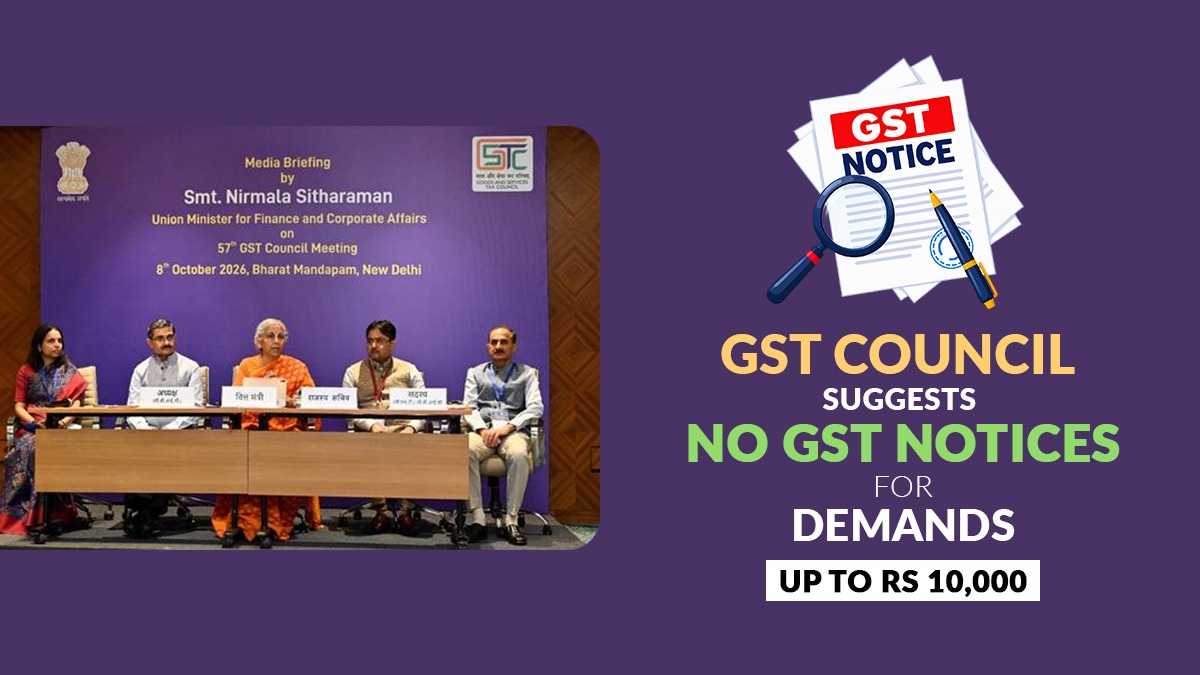
The 57th GST Council had proposed amendments in section 68, section 129 and section 130 of the CGST Act, 2017 to inter alia provide that,
A conveyance transiting goods can be intercepted on the condition of specific intelligence and with the authorisation of an officer not below the rank of Joint Commissioner.
Inspection and subsequent action for detention or seizure can be opted for when either the supplier or the receiver is located or registered in the State where interception is being made. No interception in the transit States.
Where no GST e-way bill has been generated, or the conveyance is not transiting any document to show the origin or destination of the goods, as the case may be, the goods can be inspected, detained or seized, regardless of the jurisdiction.
The provision for confiscation of goods/ conveyances u/s 130 of the CGST Act does not apply to goods/conveyances in transit.
It allows easier movement of goods and conveyances and shall enhance businesses’ supplies and transportation efficiency.