

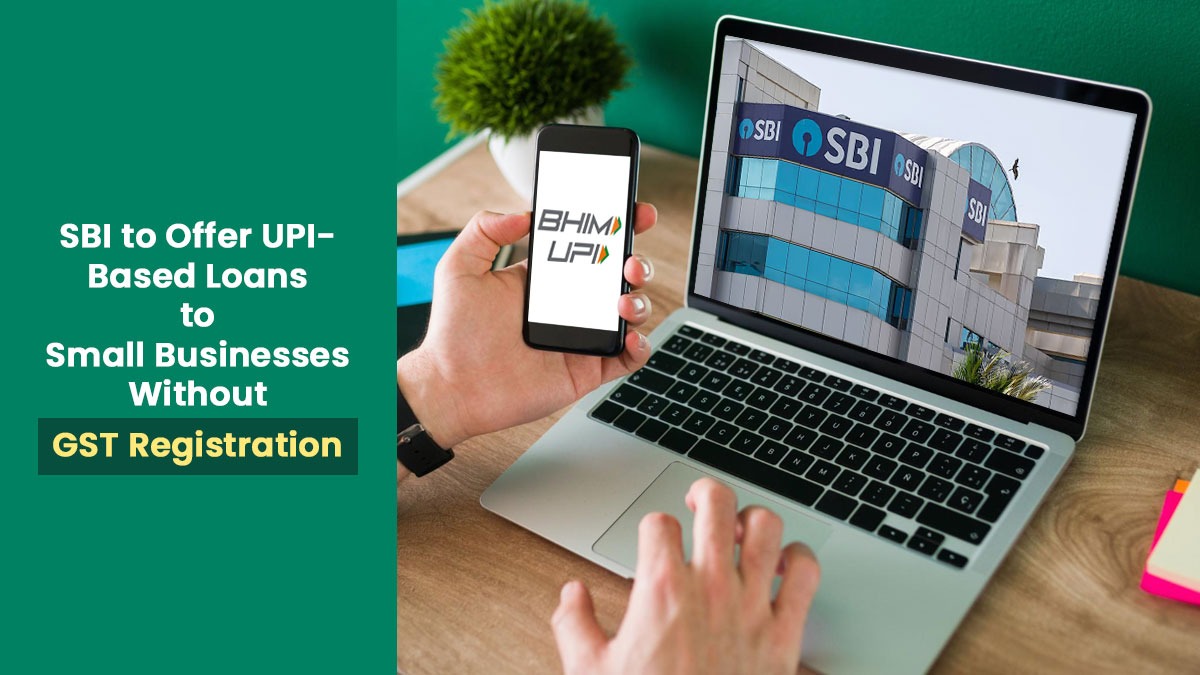
The largest lender in India, State Bank of India (SBI), is developing a lending solution that will use UPI transaction data as a proxy for sales to extend loans to small businesses that do not have Goods and Services Tax registration, SBI Managing Director stated at the Global Fintech Fest.
“UPI can substitute GST if regular sales are happening through it. We are developing the UPI solution without GST,” he expressed.
He stated that SBI processes business loans in approximately 10 minutes for customers who possess GST registration, a PAN, and other necessary information. The bank has disbursed loans worth ₹1 trillion under this scheme over the past year and a half.
Now the issue is to extend automated lending to businesses outside the GST system via UPI transaction data and other payment behaviour, subject to consent. The objective is to create a profile of a small business based on its spending and earning patterns, even if income data is not readily available or the earnings are irregular.
The use of digital transaction data could transform the way banks assess small businesses. When asked whether the banking industry is shifting from balance-sheet-based financing to cash-flow-based lending, he said: “The banking sector is moving towards cash-flow.” He added that for this to happen, it is essential for cash flows to be visible through digital channels rather than as physical cash.
Also Read: How GST Software Helps Protect Your Business from Cancellation
For GST-registered businesses, there remains a hurdle in SBI’s automated loan process: the site visit required to verify the actual existence of the shop or business premises. They stated that such checks are still necessary because, without them, the process could be compromised.
The businesses who does not have GST registration UPI could furnish them with a digital trail of sales activity that lenders can use in underwriting.
The method resolves the problems in funding in the MSME sector, especially among micro businesses that have limited financial savings. “They are too small; they are micro. And unless we solve for micro, this segment doesn’t get solved,” he stated.
He mentioned wallets as a potential way to reduce the strain on banking infrastructure and suggested that transactions of up to ₹100 could be conducted through them.
He stated that voice-based, multilingual, and AI-driven services could make obtaining credit even easier. This would allow customers to request a loan using ordinary language, with their requests then being translated into the bank’s required processes.
Source: a2ztaxcorp.net