Finally, the 29 Indian States, it seems, has come to a mutual agreement on bringing petroleum-based products under the Goods and Services Tax (GST) radar.


Powerd By SAG INFOTECH
Notifications can be turned of anytime from browser settings
Finally, the 29 Indian States, it seems, has come to a mutual agreement on bringing petroleum-based products under the Goods and Services Tax (GST) radar.
The union finance minister has clearly stated that the states are not in the favour of including petrol and diesel in the GST ambit due for some unknown reasons.
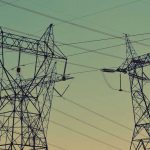
With the exclusion of electricity from the GST, Indian consumers will be paying Rs 30,000 crore extra in a year as a spending on power consumption. The power producers are not able to get credit for taxes and cess paid and this can be burdensome for them.

CBEC formulates the GSTR-3B form which is an interim return consolidating details about outward and inward supplies to be furnished every month from July 2017 to March 2018.

Goods and services tax has given a growth in both automobile sales as well as oil demand in India due to its taxation structure. The rise in oil demand is attached to the increased sales in passenger cars and utility vehicles after the announcement of GST and its relevant tax rates on automobiles.

The 23rd GST Council meeting in a row to make GST more effective proved to be big contentment for most traders with the council pronouncing a set of measures that reduced the compliance burden and tax rates on some eatery goods.
According to Amitabh Kant, CEO of NITI Aayog, top renowned oil companies such as Reliance Industries want petroleum products must be brought under the Goods and Services Tax (GST) Regime.
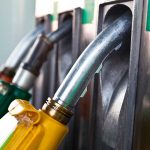
Since the genesis of GST, one question that has been thrown at the GST Council from all corners is the impact of GST on petrol and diesel prices.

The Goods and Services Tax (GST) touted as the biggest tax reform since Independence came into effect from 1st July across the country.