The GST collection for the FY 2017-18 stood at Rs 7.41 lakh. India’s new indirect tax law that subsumed 17 indirect taxes (central and state included) was launched on the midnight of July 1st, 2017 from the ramparts of the Red Fort in Delhi.


Powerd By SAG INFOTECH
Notifications can be turned of anytime from browser settings
The GST collection for the FY 2017-18 stood at Rs 7.41 lakh. India’s new indirect tax law that subsumed 17 indirect taxes (central and state included) was launched on the midnight of July 1st, 2017 from the ramparts of the Red Fort in Delhi.

The first month of the current fiscal year will witness new changes in the reporting of GST collections. The move comes at the back of the Finance Ministry’s attempt to get rid of the delay that cripples actual revenue accrual.

The GST law defines strict penalty rules and offences guidelines for Indian taxpayers to follow and ensure frictionless intrastate or interstate goods movement, reduce corruption and efficient tax collection system.

GST was a complete overhaul of the existing taxation system in India. Powered by the GSTN Network, it was India’s first big step towards a true digital economy.

As the set target of eight months which stand at Rs. 7.28 trillion, the government slightly collected the revenue Rs. 100 billion low, as compared to the basic target mentioned by the authority for the starting eight months of Goods and Services implementation.
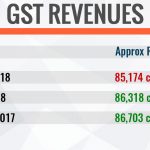
GST collections witnessed a slow down for the second consecutive month in the last quarter of the current financial year. The collections for the month of February stood at Rs 851.74 billion.

The GST was supposed to make Indian Taxation System Good and Simple. But after more than eight months down the line, it seems that the new GST regime is marred by technical glitches and operational complexities.

GST Refund Fortnight is a scheme by the GST council to address refund issues related to the exporters in India. The scheme would be observed from 16.07.2018 to 31.07.2018 across all field formations to deal exclusively with pending GST Refund Claims (IGST & ITC).

From ages, we know different planning concept to save the income tax, but now what about the new tax regime-GST ( goods and service tax). How inflow of trade out the firm can be expanded, how might I build my advantages and diminishing liabilities towards GST division?