

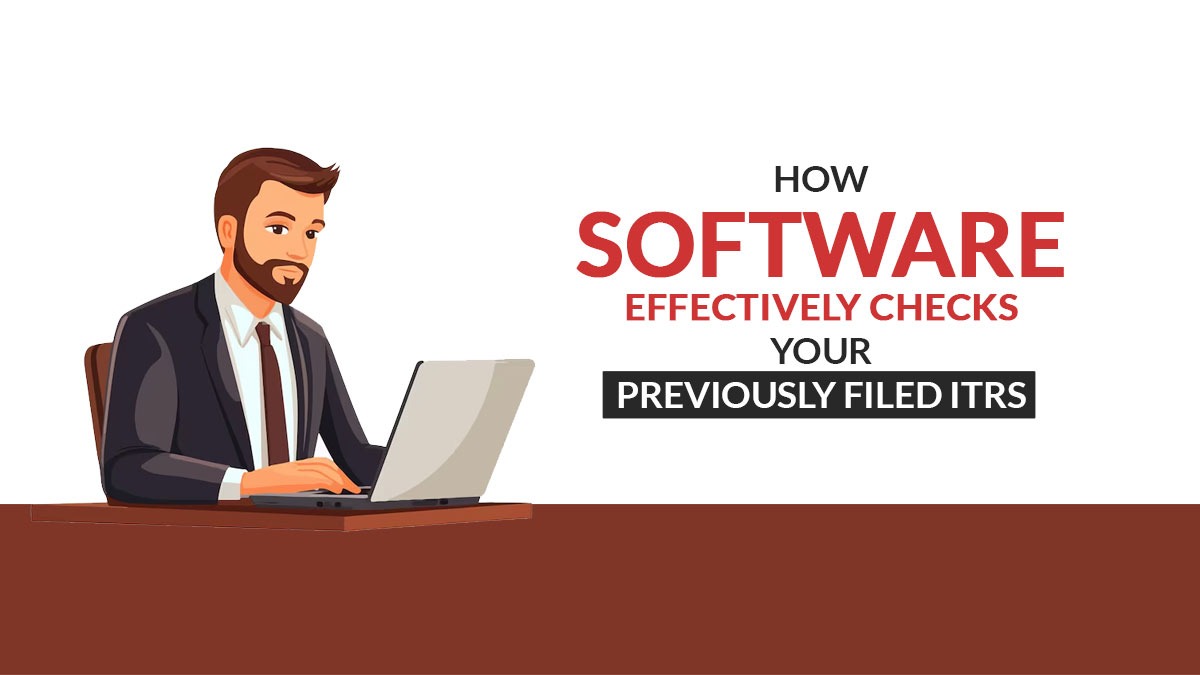
In the present era, tax filing is not just about filling out ITR forms. It comprises a smart look at your financial history. Advanced tax software reviews your past tax returns to determine trends, reduces mistakes, and improves precision. The same makes streamlined filing as well as supports you in making effective financial decisions year after year.
Importance of Checking Previously Filed Returns
It’s essential to review your past tax returns because they contain valuable information about your finances. This information includes your earnings, the deductions you claimed, the taxes you paid, and any losses that can be carried over to future years. Below are the reasons why analysing this information is important:
- It can avert mistakes that might raise questions from the tax authorities.
- It facilitates tax filing for the current year.
- It helps you report your income consistently over the years.
- You can discover deductions or tax breaks you overlooked.
By examining past filings, ITR software develops a perfect foundation for precise tax reporting.
How ITR Software Accesses Previous Information
The ITR e-filing software allows users to retrieve information from past returns via options such as JSON files, stored records, or integration with official tax platforms. After importing, the data is organised into categories such as income, deductions, and tax payments, making it easier to review and use.
Also Read: How to Use ITR Filing Software to Resolve AIS/TIS Issues
Apart from that, many advanced tools merge with statements such as Form 26AS, AIS and TIS. The same confirms that the data being utilised is precise, consistent, and updated with the latest available tax data.
Major Areas Analysed by ITR Software
Verify areas examined via the ITR software along with income, deductions, tax payments, and past returns to assure precise and compliant tax filing-
Tax Payment Confirmation
It checks the data of taxes you have paid, along with the amounts deducted for tax deductions, pre-paid taxes, and self-assessed taxes, by comparing them with your past submissions and official records. The process assists in preventing mistakes, such as entering the same data twice or skipping tax credits that could benefit you.
Income Comparison
The software also examines your current income and compares it to what you earned in previous years. If it detects any issues, it will alert you. In this way, you can verify that all your income sources have been reported accurately.
Tax Deduction and Exemption Tracking
The ITR software analyses the deductions you claimed in your previous tax returns and recommends similar ones that you can utilise this year. This feature ensures that you don’t miss any opportunities to save on your taxes.
Personal and Financial Details
With the support of past records, data like PAN number, Aadhaar details, bank account information, and employment history can be verified. The same process reduces the manual work.
Carry Forward of Losses
The losses you have reported in earlier years, such as losses from investment or your business, are considered and effectively updated on your existing tax return. The same supports you in complying with the norms and can help you obtain the tax benefits.
Tracking ITR Filing Status: Pending, Filed and Verified Returns
Tax return software provides a major advantage, i.e., it can keep track of your tax returns throughout the whole procedure. The same feature furnishes you with a perfect picture of your tax filing history, supporting you in comprehending where everything stands at any provided time.
- Pending ITRs: The software determines the returns that have not been filed or submitted until now. It can remind users of incomplete filings to prevent penalties.
- Unverified Returns: Verification is important after filing. The software tracks returns that are submitted but not verified till now and sends alerts to finish the process within the mentioned time.
- Verified ITRs: Successfully verified returns are clearly marked, ensuring the completion of the filing process for the users.
- Filed Returns: Users can access a record of all the filed returns along with the acknowledgements and filing dates, helping maintain proper documentation.
The same centralised tracking system confirms that no measure in the tax filing procedure is skipped.
Error Detection and Intelligent Alerts
ITR software utilises smart validation systems to identify inconsistencies between past and current data. It can determine:
- Incorrect deduction claims
- Discrepancies in tax credits
- Errors in personal details
- Missing or mismatched income entries
Such problems are shown via alerts or warnings, permitting users to make corrections before final submission.
Smart Automation and AI-Based Insights
ITR filing solutions surge the use of intelligent algorithms to improve the user experience. As per the filing history, the software can-
- Show essential compliance needs
- Auto-fill recurring report
- Suggest a reasonable tax regime
- Signify tax deductions as per the past patterns
The same lessens manual work as well as enhances overall efficiency and precision.
Data Security and Privacy
Concerning managing tax data, it is crucial to keep things protected. Efficient tax software utilises robust protection methods to safeguard the data. The same comprises scrambling your data to avert unauthorised access, which needs to secure login information, and limiting the people for seeing your data. Such actions ensure that your financial data stays private and safeguarded while it is being stored and examined.
Closure: The rise of filing income tax returns has changed into a useful resource that extends beyond only tax filing support. The ITR filing software analyses tax returns, furnishing updates on the status of existing submissions and proposing insightful analysis to ensure precision and compliance.
Whether individuals are performing their own tax filings or collaborating with a tax professional, the use of such advanced features can make the process efficient. With the progress of technological advancements, tax software can become important in supporting individuals and organisations in handling their tax obligations intelligently and appropriately.