

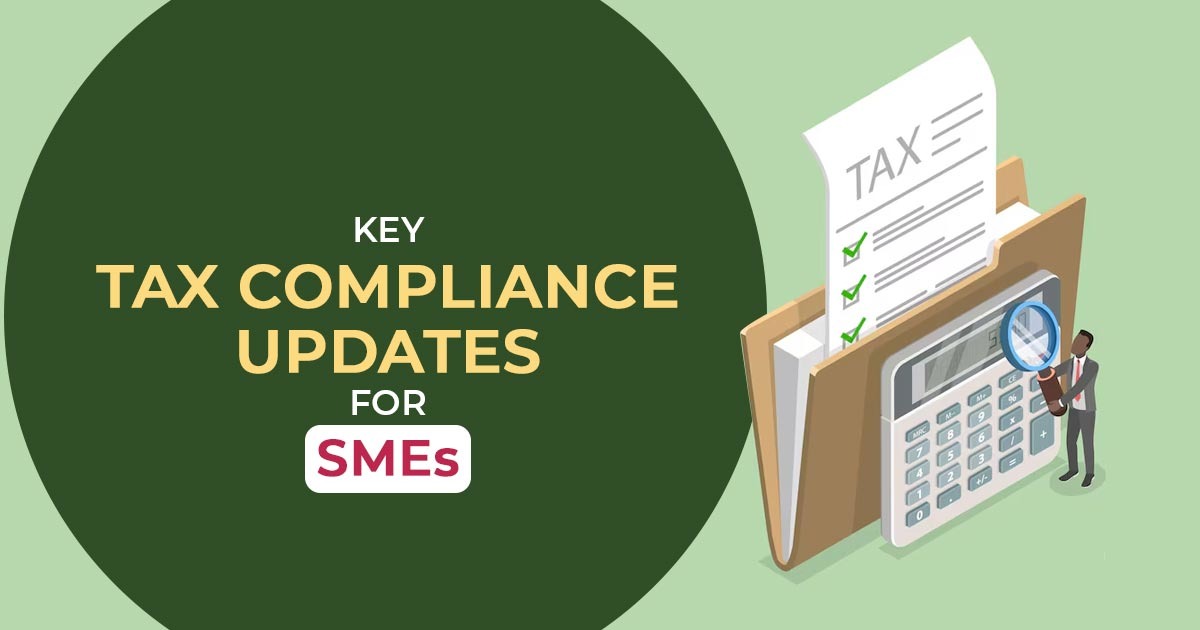
The backbone of India’s economy is small and medium enterprises (SMEs). However, keeping up with the constantly evolving tax regulations remains one of their key operational challenges.
In recent quarters, numerous changes to income tax and GST have directly impacted how SMEs manage their records, file returns, and handle cash flow. This article highlights the key compliance points that are most relevant for a growing business today.
Tax Scheme Turnover Limits
The presumptive taxation scheme under Sections 44AD and 44ADA continues to be a useful simplification for eligible SMEs and professionals. Businesses choosing Section 44AD can report income on a presumptive basis, with a higher turnover ceiling available where cash receipts stay within the specified limit.
SMEs must validate their eligibility each year because digital receipts increasingly influence whether the enhanced threshold applies. Selecting the option lessens the bookkeeping burden, but once opted in, businesses must think about the conditions of continuity before switching out.
TDS and TCS Compliance
Timely deduction, deposit, and reporting of tax deducted at source remain common issue. SMEs must map every recurring payment such as rent, professional fees, and contractor payments, to the correct TDS section and rate, deposit the tax by the due date, and submit quarterly statements without delay.
Errors in PAN details or mismatches with Form 26AS can lead to notices, so periodic reconciliation of deductee data is advisable.
GST Returns and ITC Eligibility
Input tax credit is closely related to supplier compliance. A buyer’s eligibility for this credit depends on the supplier correctly reporting the invoice. Therefore, SMEs should reconcile their purchase register with the auto-populated GSTR-2B every month before finalising their returns.
To safeguard the business from credit reversals and interest charges, it is essential to file GSTR-1 and GSTR-3B on time, classify supplies correctly, and promptly follow up with any defaulting suppliers.
E-Invoicing and E-Way Bill Compliance Checklist
E-invoicing liabilities have gradually been extended to businesses with lower turnover thresholds. SMEs that exceed the applicable limit must generate invoice reference numbers via the portal and integrate these into their billing workflow.
Additionally, e-way bills should be generated accurately for the movement of goods exceeding the specified value, as discrepancies between the invoice, e-way bill, and the physical movement of goods are common causes of detention and penalties.
Compliance with MSME Payment Timelines
A compliance area that is sometimes ignored is payments to micro and small enterprises. Where payments to these registered suppliers are delayed after the regulatory period, the deduction for that expenditure might be disallowed for the year till the amount is actually paid.
SMEs that themselves purchase from MSME vendors are required to track such payment timelines to prevent an unexpected addition to taxable income.
Records, Reconciliation, and Audit Readiness
An effective compliance is specified by clean records. Keeping organised books, reconciling bank statements, GST returns, and TDS filings monthly, and holding supporting documents makes routine filing and any future scrutiny seamless. SMEs approaching the tax audit turnover limit must plan early instead of scrambling near the due date.
Closure: For SMEs, compliance is not just a legal obligation; it has a direct impact on working capital, credit ratings, and the ability to secure financing.
Creating a straightforward monthly compliance calendar that includes tasks like GST returns, TDS deposits, invoice reconciliation, and vendor payments can help prevent most penalties and notices. If the compliance situation is complex, it is always best to consult a qualified professional or a CA software company before making a final decision.