The GST is self-assessing by nature while more than 1 crore Taxpayers are registered under GST. Self-Assessment is necessary to determine tax liabilities.

Powerd By SAG INFOTECH
Notifications can be turned of anytime from browser settings
The GST is self-assessing by nature while more than 1 crore Taxpayers are registered under GST. Self-Assessment is necessary to determine tax liabilities.

The provisions of ITC or Input Tax Credit under GST is at the centre of a major scam. Some businesses were prospering buy issuing fake GST bills or invoices. In the process, the businesses ended up gobbling a whopping amount of Rs 450 crore as part of the liable ITC.

Compliance under GST, the One Nation One Tax, has been on an upward trend. This is cemented by the fact that composition-scheme dealers reporting average annual revenue of Rs 20 lakh increased by two times in the last quarter of FY 2017-18.

In a recent study, it is found that the small and medium-sized companies in the auto components industry are facing a stiff situation under the GST regime.

The GSTN that powers India’s new destination based indirect tax, The GST, was never supposed to be a mere online portal for Tax Collection.

After a thorough analysis of GST returns and tax data received so far, the GST Council has started issuing scrutiny notices to businesses who have not paid tax in the line of their final tax returns.

Arvind Subramanian, the Chief Economic Advisor to the Government of India, had a few months back asserted that Insights From GSTN Data Could Drive Economic Decisions.
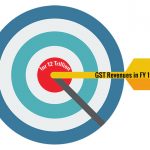
Inspired by the continuous increase in tax compliance ever since the launch of the goods and services tax regime, the GST Council has set the target for GST revenue for the ongoing financial year (FY19) at Rs 12 trillion.
The rate for the changes made per day in the present GST law is a whopping 125%. This means on an average 1.25 changes are made per day in the current indirect tax law of the land which was once referred as the Golden Bird of the East.