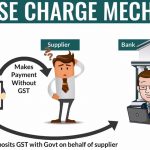
The reverse charge mechanism is soon going to be implemented across the country starting from 1st July, exactly one year after the implementation of the most popular tax regime i.e. GST.

Powerd By SAG INFOTECH
Notifications can be turned of anytime from browser settings
The reverse charge mechanism is soon going to be implemented across the country starting from 1st July, exactly one year after the implementation of the most popular tax regime i.e. GST.

The technological fabric of GST intertwined with compliances complexities and multiple-stage taxing has spelt doom for the once flourishing Textile and Powerloom Industry of Surat.

Bullion Gold Dealers and Jewellers claim that post the implementation of goods and service tax, the illegal trading of Gold has increased manifold.

Taxpayers these days are running head and toes for their documents which have to submit within 7 days after getting the due noticed from the income tax department.

Logistic Efficiency is paramount for profitable business operations. The 18-20% decrease in turnaround time for road transport sector post GST introduction are good omens for business operations.

DBB, a large FMCG sector company, has filed a petition in the Nainital Bench of the Uttarakhand High Court. The petition is regarding Dabur’s refusal to pay ITC under GST on goods manufactured in special exempted states during the VAT regime.

While the GST regime in India is about to complete one year of implementation, many sectors still struggle with post-GST issues.

The Indian GST is a very complex form of indirect tax. The discrepancies in GDP growth and per capita income growth meant that the One Nation One Tax Policy unfolded as a complex fabric of multiple tax slabs intertwined in a fabric of cess and other indirect taxes.

GST is about to complete its one year. And India’s solar power industry is very slowly trying to normalize the upset caused in the renewable energy sector post-GST implementation.